Preventive Oral Health Screening
Oral Cancer Screening in Sherman, TX
Early detection plays an important role in protecting your health.
Oral cancer screenings are an important part of preventive dental care and can help identify abnormal tissue changes before symptoms become more serious. These evaluations are designed to detect potential warning signs affecting the lips, tongue, cheeks, gums, throat, and surrounding oral tissues. North Texas Dental provides comprehensive screenings focused on supporting early diagnosis and long-term oral wellness.

A PILLAR of EXCELLENCE
Preventive Oral Cancer Screenings for Early Detection
Oral cancer can develop with few noticeable symptoms during its early stages, making routine screenings especially important. Patients in Sherman and surrounding North Texas communities can benefit from preventive evaluations that help identify suspicious lesions, tissue abnormalities, or changes that may require additional monitoring or testing. Detecting concerns early may improve treatment outcomes and support overall health.
What Happens During an Oral Cancer Screening?
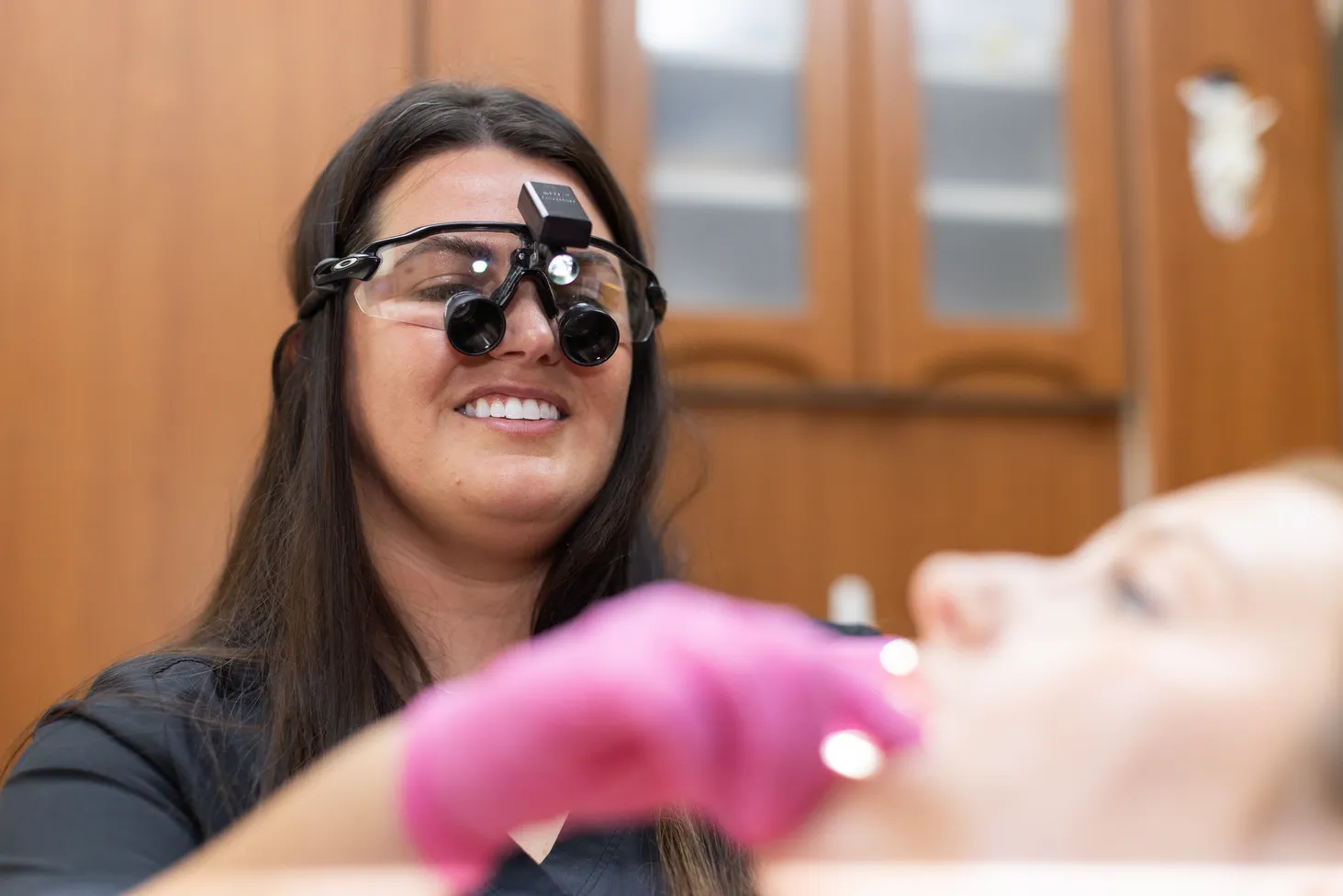
During the screening, the dentist carefully examines the soft tissues of the mouth, tongue, gums, cheeks, lips, throat, and surrounding areas for unusual changes. The evaluation is quick, noninvasive, and typically completed during a routine dental visit.
- Soft Tissue Examination Evaluate the mouth and surrounding tissues for abnormalities or unusual changes.
- Early Detection Support Identify warning signs that may require further evaluation.
- Routine Preventive Care Incorporate screenings into regular dental exams for ongoing monitoring.
- Personalized Risk Awareness Discuss lifestyle and health factors that may influence oral cancer risk.
Signs & Symptoms That Should Be Evaluated
Some oral health changes may indicate the need for professional evaluation. Persistent symptoms should never be ignored, especially if they do not improve over time.
- Sores that do not heal properly
- Red or white patches inside the mouth
- Lumps, thickened tissue, or swelling
- Persistent mouth or throat pain
- Difficulty swallowing or speaking
- Numbness or unexplained bleeding
Who Should Receive Oral Cancer Screenings?
Adults of all ages can benefit from routine screenings, especially patients with risk factors such as tobacco use, heavy alcohol consumption, prolonged sun exposure to the lips, HPV exposure, or a family history of cancer. Even patients without known risk factors may benefit from preventive evaluations because oral cancer can develop unexpectedly.
Why Early Detection Matters
Early-stage oral cancer is often easier to treat than advanced disease. Routine screenings provide an opportunity to identify potential concerns before symptoms become severe or more invasive treatment becomes necessary. Scheduling regular preventive dental visits helps support both oral and overall health through consistent monitoring and professional care.
IN SUMMARY→
An oral cancer screening is a visual and tactile examination of the lips, tongue, cheeks, palate and throat for tissue changes that warrant further evaluation. North Texas Dental includes oral cancer screening in comprehensive exams in Sherman, Texas.
Call (903) 893-2800 to schedule a consultation, or book an appointment online.
Oral Cancer Screening FAQ
- What is an oral cancer screening?
- An oral cancer screening is a systematic visual and tactile examination of the lips, tongue, floor of the mouth, palate, cheeks, gums and throat, together with palpation of the neck lymph nodes. North Texas Dental includes oral cancer screening in comprehensive examinations in Sherman, TX.
- Why are oral cancer screenings important?
- Oral cancer is frequently painless in its early stages, so patients rarely present until it is advanced, when treatment is more extensive and outcomes are poorer. Because a dentist examines the whole mouth routinely, screening catches tissue changes at a stage when they are far more treatable.
- Does an oral cancer screening hurt?
- No. It is a visual inspection combined with gentle palpation of the tongue, floor of the mouth and neck. It takes a couple of minutes, requires no instruments beyond a mirror and gloved hands, and causes no discomfort beyond briefly holding the tongue to view its borders.
- How often should I get screened?
- For most adults, at every routine examination, which usually means every 6 months. Patients with higher risk from tobacco, heavy alcohol use or a previous lesion may be reviewed more frequently. Any new lesion should be reassessed after about 2 weeks rather than waiting for the next visit.
- What are common signs of oral cancer?
- A sore or ulcer that does not heal within 2 weeks, a red or white patch, an unexplained lump or thickening, persistent hoarseness, numbness, difficulty or pain on swallowing, a loose tooth with no dental cause, and bleeding without obvious reason all warrant assessment.
- Who is at higher risk for oral cancer?
- Tobacco in any form and heavy alcohol use are the principal risks, and together they multiply rather than add. Human papillomavirus, particularly HPV-16, is an increasing cause of cancers at the back of the throat. Sun exposure raises lip cancer risk, and incidence rises with age.
- Can oral cancer occur without symptoms?
- Yes, and this is the central reason screening matters. Early lesions are often painless and sit in areas patients cannot easily see, such as the lateral border of the tongue or the floor of the mouth. Many are found incidentally at a routine examination.
- What happens if an oral cancer screening finds something abnormal?
- A suspicious area is documented, photographed and usually reviewed after about 2 weeks, since many lesions are trauma-related and resolve. If it persists or has concerning features, you are referred to an oral surgeon or specialist for biopsy, which is the only way to establish a diagnosis.