Preventive Cavity Protection
Dental Sealants in Sherman, TX
Protect vulnerable teeth from decay with simple preventive treatment.
Dental sealants provide an added layer of protection against cavities by covering the deep grooves and pits found on molars. These protective coatings help reduce food buildup and bacteria in areas that can be difficult to clean thoroughly with brushing alone. North Texas Dental offers sealants as a conservative preventive option for both children and adults who want stronger cavity protection.
A PILLAR of EXCELLENCE
Preventive Dental Sealants for Long-Term Protection
The chewing surfaces of molars naturally contain small grooves where plaque and food particles can collect. Dental sealants help patients in Sherman and surrounding North Texas communities reduce the risk of tooth decay by creating a smooth protective barrier over these vulnerable areas. Sealants are commonly recommended for children, teens, and cavity-prone adults as part of a comprehensive preventive care plan.
How Dental Sealants Help Prevent Cavities
Even with regular brushing and flossing, some molars can be difficult to clean completely because of their deep grooves and uneven surfaces. Sealants help block bacteria and food debris from settling into these areas, lowering the chance of decay developing over time.
- Cavity Prevention Protect molars and premolars from decay-causing bacteria.
- Easy Application Sealants are applied quickly and comfortably without drilling.
- Long-Lasting Protection Sealants can provide years of preventive coverage with proper care.
- Supports Preventive Dentistry Complements brushing, flossing, fluoride, and regular cleanings.
What to Expect During Treatment
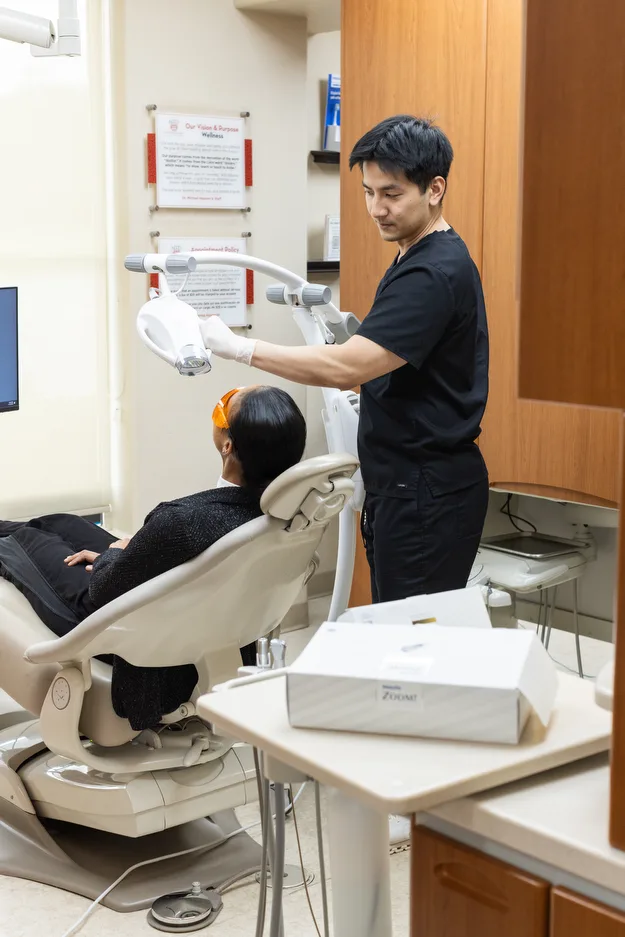
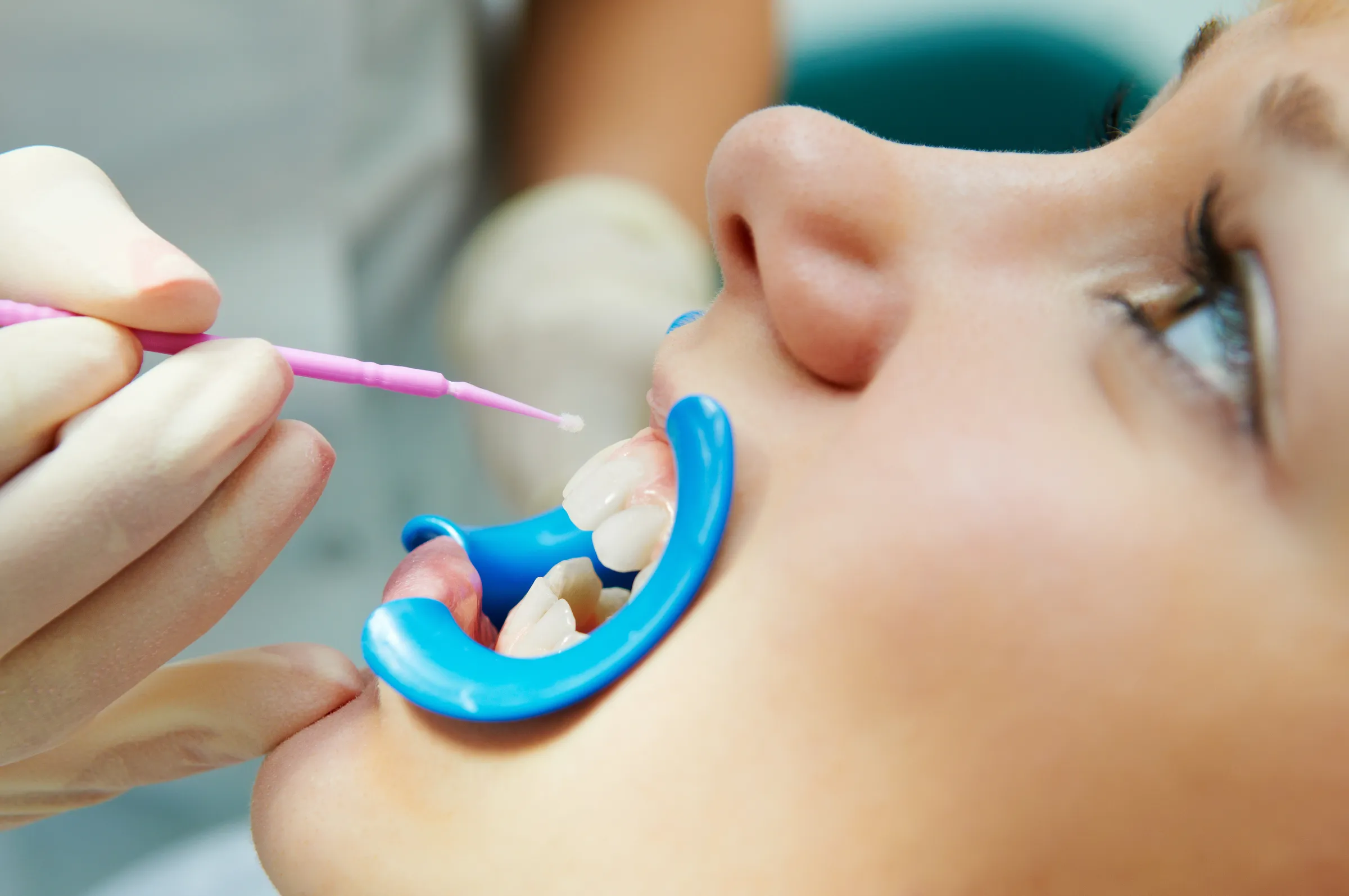
The sealant process is simple and noninvasive. After the teeth are cleaned and prepared, the protective coating is carefully applied to the chewing surfaces and hardened into place. The procedure is typically completed in just one visit and does not require anesthesia.
- Protective coating applied to molar grooves
- Quick and comfortable preventive procedure
- No drilling or removal of healthy tooth structure
- Designed to reduce cavity risk in hard-to-clean areas
Who Can Benefit from Dental Sealants?
Children and teens commonly receive sealants soon after permanent molars erupt because these teeth are especially vulnerable to decay during early years. However, adults with deep grooves or a history of cavities may also benefit from sealant protection depending on their oral health needs.
Are Dental Sealants Right for You?
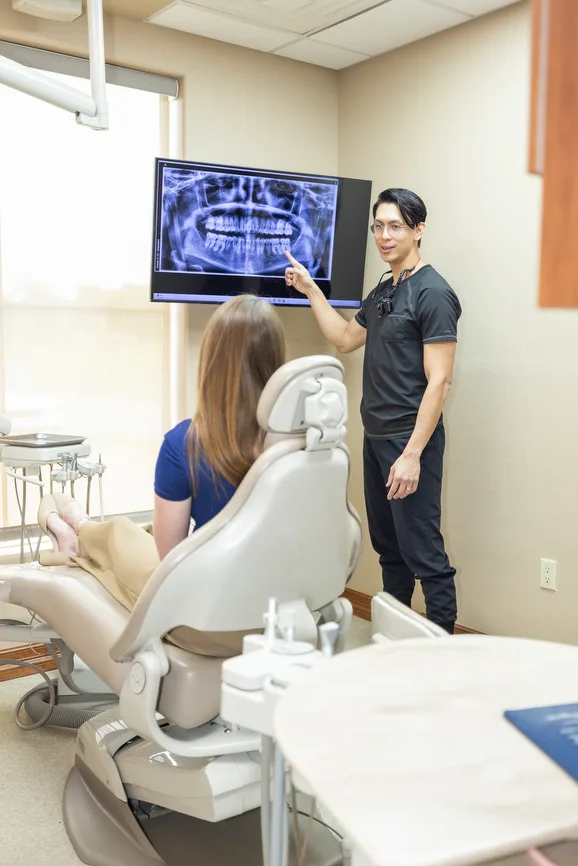
If you or your child are prone to cavities or want added protection for back teeth, dental sealants may be a valuable preventive option. A dental evaluation can help determine whether sealants are recommended as part of your long-term oral health plan. Scheduling a preventive visit is an excellent step toward protecting healthy smiles.
IN SUMMARY→
Dental sealants are thin protective coatings painted into the grooves of the back teeth, where brushing reaches least well. North Texas Dental applies sealants in Sherman, Texas for children and adults at higher risk of decay in those surfaces.
Call (903) 893-2800 to schedule a consultation, or book an appointment online.
Dental Sealants FAQ
- What are dental sealants?
- A dental sealant is a thin resin coating painted into the pits and fissures on the chewing surfaces of back teeth. Those grooves are narrower than a toothbrush bristle, so sealing them blocks the main site where decay starts. North Texas Dental applies sealants in Sherman, TX.
- Who should get dental sealants?
- Children and teenagers benefit most, ideally soon after the first permanent molars erupt around age 6 and the second molars around age 12. Adults with deep, unrestored grooves and a history of decay are also good candidates, particularly where the fissures stain but have not yet cavitated.
- How long do dental sealants last?
- Sealants commonly last 5–10 years, though partial loss can happen sooner on heavily used molars. They are checked at every routine examination and topped up or replaced where the margin has chipped or worn, which keeps the groove continuously protected.
- Does getting sealants hurt?
- No. Applying a sealant requires no drilling and no anesthetic, because no tooth structure is removed. The tooth is cleaned, briefly etched, rinsed and dried, then the resin is painted on and cured with a light. Most children find it straightforward and it takes only minutes per tooth.
- Can adults get dental sealants?
- Yes. Adults with deep grooves that have never been filled, or who are at higher risk from dry mouth, orthodontic appliances or a diet high in fermentable carbohydrate, can be sealed. The tooth must be free of existing decay, which is checked clinically and on bitewing radiographs.
- Do sealants replace brushing and flossing?
- No. Sealants protect only the pitted chewing surfaces. Decay between teeth and along the gum line is unaffected, and those sites depend entirely on brushing with fluoride toothpaste and cleaning between the teeth daily. Sealants are an addition to home care, not a substitute.
- How are sealants applied?
- The tooth is cleaned and isolated to keep it dry, since moisture prevents the resin bonding. A mild etching gel is applied for a few seconds to roughen the enamel, then rinsed off. The sealant is flowed into the grooves, cured with a light, and the bite checked.
- Can sealants prevent all cavities?
- No. They are highly effective on the chewing surfaces they cover, which is where most decay in children begins, but they do nothing for the surfaces between teeth or near the gum. Fluoride, daily cleaning between teeth and limiting sugar frequency remain necessary.