Advanced Periodontal Care
Gingivectomy in Sherman, TX
Remove excess or diseased gum tissue to support healthier gums and smiles.
Gingivectomy is a periodontal procedure used to remove damaged, infected, or excess gum tissue affecting oral health and smile appearance. Treatment may help reduce periodontal pockets, improve access for oral hygiene, and create healthier gum contours. North Texas Dental provides personalized gingivectomy care focused on restoring gum health and supporting long-term oral wellness.
A PILLAR of EXCELLENCE
Gingivectomy Treatment for Healthier Gums
Excess or diseased gum tissue can make oral hygiene more difficult and contribute to worsening periodontal problems over time. Gingivectomy treatment helps patients in Sherman and surrounding North Texas communities improve gum health by removing unhealthy tissue and reshaping the gums for better long-term stability.
What Is a Gingivectomy?
A gingivectomy is a periodontal procedure that removes portions of gum tissue affected by disease, inflammation, or overgrowth. The treatment may also improve smile aesthetics by creating more balanced and symmetrical gum contours.
- Remove Diseased Gum Tissue Help reduce bacteria and inflammation associated with periodontal disease.
- Reduce Deep Gum Pockets Improve access for cleaning and ongoing periodontal maintenance.
- Improve Gum Contours Create healthier and more balanced gum appearance.
- Support Long-Term Oral Health Help protect teeth and surrounding tissues from further damage.
When Is Gingivectomy Recommended?
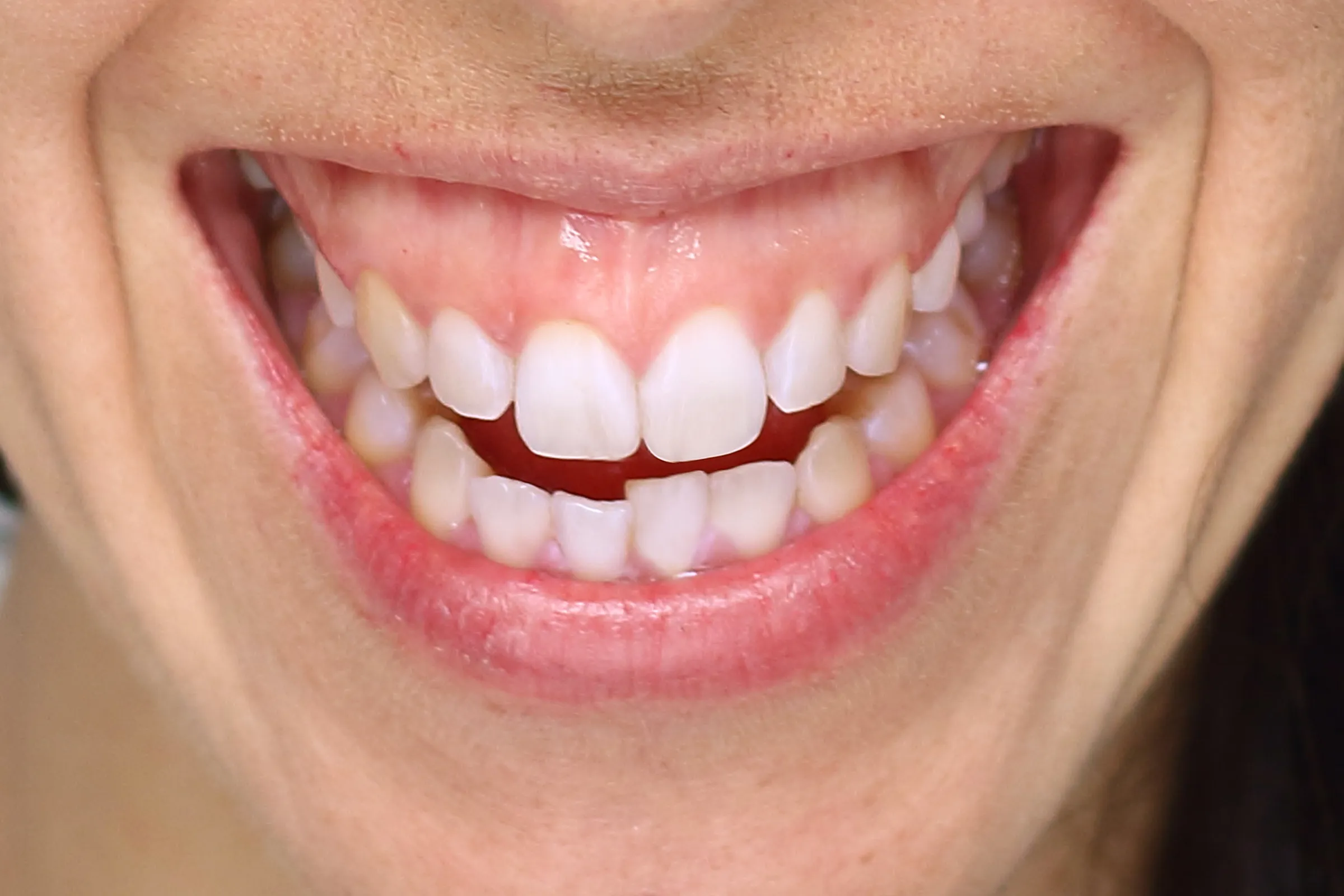
Gingivectomy may be recommended when gum disease has caused enlarged or infected gum tissue that cannot be effectively managed with non-surgical treatment alone. In some cases, cosmetic concerns involving excess gum tissue may also be addressed through treatment.
- Treatment for advanced periodontal disease
- Reduction of excessive gum overgrowth
- Improved access for oral hygiene and maintenance
- Cosmetic reshaping of uneven gum tissue
What to Expect During Recovery
Patients may experience temporary tenderness, swelling, or sensitivity while the gums heal following treatment. Following post-procedure care instructions carefully can help support proper healing and reduce discomfort during recovery.
Benefits of Gingivectomy Treatment
Removing diseased gum tissue may help reduce periodontal pocket depth, improve oral hygiene access, and support healthier gum attachment around the teeth. Cosmetic improvements to gum contours may also enhance smile appearance and tooth proportions.
If you have signs of advanced gum disease or concerns about excess gum tissue, scheduling a periodontal evaluation can help determine whether gingivectomy treatment is appropriate for your needs.
IN SUMMARY→
A gingivectomy removes excess or diseased gum tissue, either to treat periodontal pockets or to reshape a gum line. North Texas Dental performs gingivectomy procedures in Sherman, Texas and may combine the procedure with other periodontal treatment.
Call (903) 893-2800 to schedule a consultation, or book an appointment online.
Gingivectomy FAQ
- What is a gingivectomy?
- A gingivectomy surgically removes excess or diseased gum tissue. It is used to reduce periodontal pockets that cannot be cleaned, to remove overgrown tissue, and to reshape the gum line. North Texas Dental performs gingivectomy procedures in Sherman, TX using a soft tissue laser or scalpel.
- Why would I need a gingivectomy?
- Common reasons include periodontal pockets that remain deep after scaling and root planing, gingival overgrowth caused by certain medications such as calcium channel blockers or anticonvulsants, inflamed tissue around a crown margin, and tissue covering so much of a tooth that a restoration cannot be fitted.
- Does a gingivectomy hurt?
- The gum is numbed with local anesthetic, so the procedure itself is not painful. A laser cauterizes as it cuts, which typically means less bleeding and a more comfortable recovery than a scalpel. Afterwards expect tenderness for several days, managed with over-the-counter pain relief.
- Can gingivectomy help treat gum disease?
- It treats the consequences rather than the cause. Deep pockets harbor bacteria that brushing cannot reach, so removing the tissue wall makes the area cleanable. It follows scaling and root planing rather than replacing it, and results hold only with thorough home care and regular maintenance.
- How long does gingivectomy recovery take?
- Surface healing takes about 1–2 weeks, with the tissue firming over 4–6 weeks. A dressing is sometimes placed for the first week. Soft food, avoiding the area when brushing initially, and a prescribed rinse support healing. Smoking markedly slows it.
- Will my gums grow back after treatment?
- Gum removed in a gingivectomy does not grow back to its previous level, which is the intent when pockets are being reduced. However, tissue can regrow where the underlying cause persists, particularly with medication-induced overgrowth or where plaque control lapses, and retreatment is then sometimes needed.
- Can gingivectomy improve smile appearance?
- Yes. Where excess or uneven tissue makes teeth look short or asymmetric, reshaping the gum line reveals more enamel and evens the proportions. When the concern is purely aesthetic rather than disease-related, the procedure is generally described as gum contouring.
- How do I know if I need a gingivectomy or other periodontal treatment?
- Bleeding when brushing, gums that are red or swollen, persistent bad breath, receding gum margins, sensitivity at the root surface, or teeth that feel loose all warrant assessment. Periodontal probing measures pocket depth around each tooth and radiographs show the bone level.