Conservative Cosmetic Dentistry
Dental Bonding in Sherman, TX
Refresh chipped, stained, or uneven teeth with a simple cosmetic solution.
Dental bonding is a conservative way to improve the shape, color, and balance of your smile. Using tooth-colored resin, North Texas Dental can repair small imperfections while preserving more of your natural tooth structure. It is often a comfortable, efficient option for patients who want noticeable improvement without more extensive treatment.

A PILLAR of EXCELLENCE
Cosmetic Dental Bonding for a More Balanced Smile
Dental bonding helps patients in Sherman and nearby North Texas communities correct minor cosmetic concerns with natural-looking results. The treatment uses carefully shaded composite resin to cover damaged, discolored, or uneven areas of a tooth, helping your smile look healthier and more symmetrical while keeping the process conservative.
What Can Dental Bonding Fix?
Bonding is often recommended for teeth that are structurally healthy but have visible flaws affecting appearance. Because the resin is applied directly to the tooth, it can be shaped and polished to blend with your surrounding smile.
- Chipped Teeth Restore small chips and worn edges for a smoother appearance.
- Discoloration Cover isolated stains that may not respond well to whitening.
- Small Gaps Improve spacing between teeth without orthodontic treatment in select cases.
- Uneven Tooth Shape Add balance to teeth that look too short, narrow, or irregular.
How Dental Bonding Works
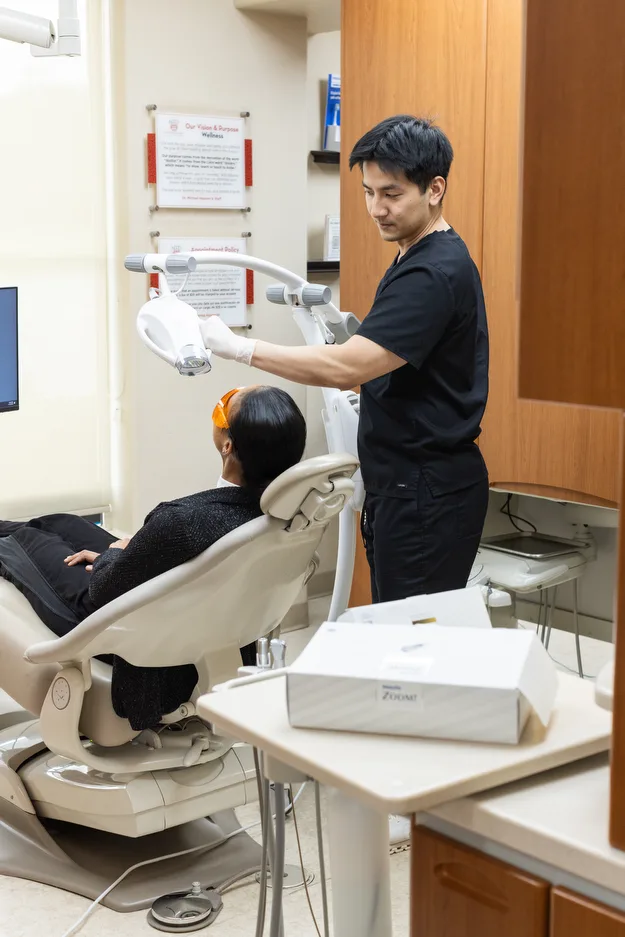
The bonding process is typically straightforward. A tooth-colored resin is matched to your smile, applied to the area being treated, shaped for a natural contour, and hardened with a special curing light. Once polished, the bonded area blends with the rest of the tooth.
- Tooth-colored composite resin for natural-looking repair
- Minimal alteration to healthy tooth structure
- Careful shaping and polishing for smooth contours
- Often completed in a single visit depending on the case
Dental Bonding vs. Veneers
Dental bonding is different from veneers because it usually treats only the affected portion of the tooth rather than covering the full front surface. This makes bonding a more minimal option for small chips, stains, and shape concerns. Veneers may be better for more dramatic smile changes, while bonding is often ideal for targeted improvements.
Is Dental Bonding Right for Me?
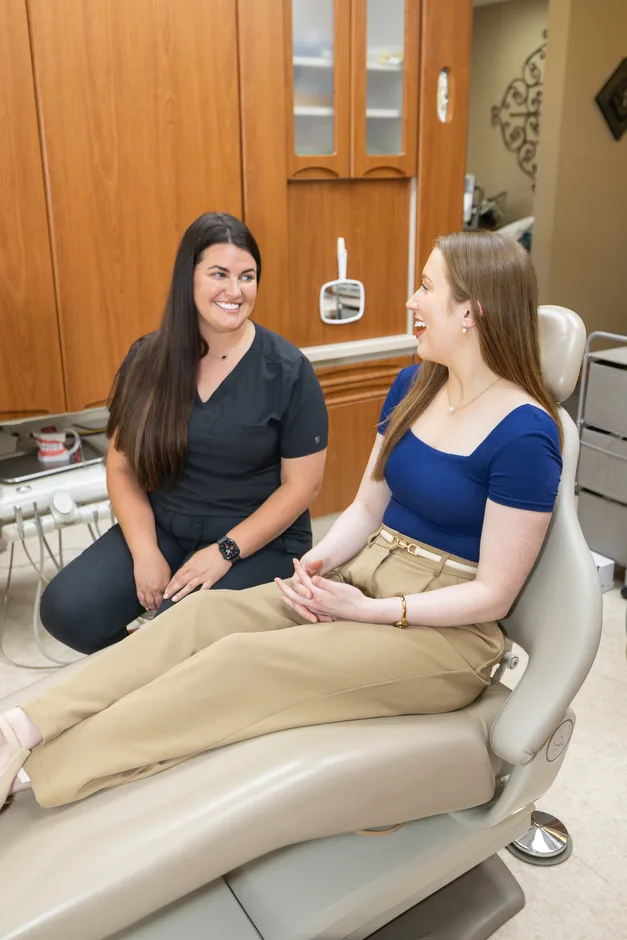
You may be a good candidate for dental bonding if you have minor cosmetic concerns and want a conservative way to improve your smile. During a cosmetic consultation, your teeth, bite, and goals can be evaluated to determine whether bonding or another treatment is the best fit. To get started, contact the office to schedule a visit and discuss your options.
IN SUMMARY→
Dental bonding applies tooth-colored composite resin directly to a tooth, then shapes and hardens it to repair chips, close small gaps or reshape an edge. North Texas Dental provides bonding in Sherman, Texas, usually in a single visit and without removing much natural tooth structure.
Call (903) 893-2800 to schedule a consultation, or book an appointment online.

Dental Bonding FAQ
- What is dental bonding?
- Dental bonding applies a tooth-colored composite resin directly to the tooth, which is then shaped and cured with a light. It repairs chips, closes small gaps and reshapes edges, usually in a single visit and with little or no enamel removed. North Texas Dental provides bonding in Sherman, TX.
- What problems can dental bonding correct?
- Bonding corrects chipped or fractured edges, small gaps between front teeth, minor shape irregularities and isolated discoloration that whitening cannot lift. It can also cover exposed root surface where the gum has receded. Larger changes in shape or alignment are usually better suited to veneers.
- Does dental bonding hurt?
- Bonding is usually painless and often needs no anesthetic, because little or no enamel is removed and the nerve is not disturbed. Local anesthetic is used if the area being treated extends into dentin or sits close to the gum where the tissue is sensitive.
- How long does dental bonding last?
- Composite bonding typically lasts 3–7 years before it needs polishing or replacing, depending on where it sits and how heavily you bite. Edges on front teeth wear faster than repairs on other surfaces. Grinding and biting nails shorten its life considerably.
- Is bonding better than veneers?
- Neither is simply better; they solve different problems. Bonding is conservative, completed in one visit and easily repaired, but it stains and wears faster. Porcelain veneers resist staining and last far longer, though they require removing a thin layer of enamel and are irreversible.
- Can bonded teeth stain?
- Yes. Composite resin is more porous than enamel or porcelain, so coffee, tea, red wine and tobacco gradually discolor it, particularly along the margins. Professional whitening does not lighten composite, so noticeably stained bonding is usually polished or replaced rather than bleached.
- How do I care for dental bonding?
- Brush twice daily with a non-abrasive toothpaste and floss normally. Limit staining drinks or rinse with water afterwards, and avoid using bonded front teeth to bite nails, pens or packaging, which chips the composite. Routine cleanings let the margins be polished and checked.
- How do I get started with dental bonding?
- A short examination determines whether bonding, a veneer or a crown suits the tooth, based on how much enamel remains and how the teeth meet. Patients in Sherman, TX can schedule an assessment at North Texas Dental to discuss which option fits best.