Non-Surgical Gum Disease Treatment
Scaling & Root Planing in Sherman, TX
Deep cleaning treatment designed to support healthier gums and protect your smile.
Scaling and root planing is a non-surgical periodontal treatment used to manage gum disease and remove harmful bacteria beneath the gum line. This deep cleaning process helps reduce inflammation, improve gum attachment, and protect the teeth and supporting bone structures from further damage. North Texas Dental provides personalized periodontal care focused on restoring healthier gums and long-term oral wellness.

A PILLAR of EXCELLENCE
Deep Cleaning Treatment for Gum Disease
Gum disease can develop when plaque and tartar accumulate below the gum line, leading to inflammation and infection. Scaling and root planing helps patients in Sherman and surrounding North Texas communities manage periodontal disease before it progresses further. By removing bacterial buildup and smoothing the tooth roots, this treatment supports healthier gums and improved oral stability.
What Is Scaling & Root Planing?
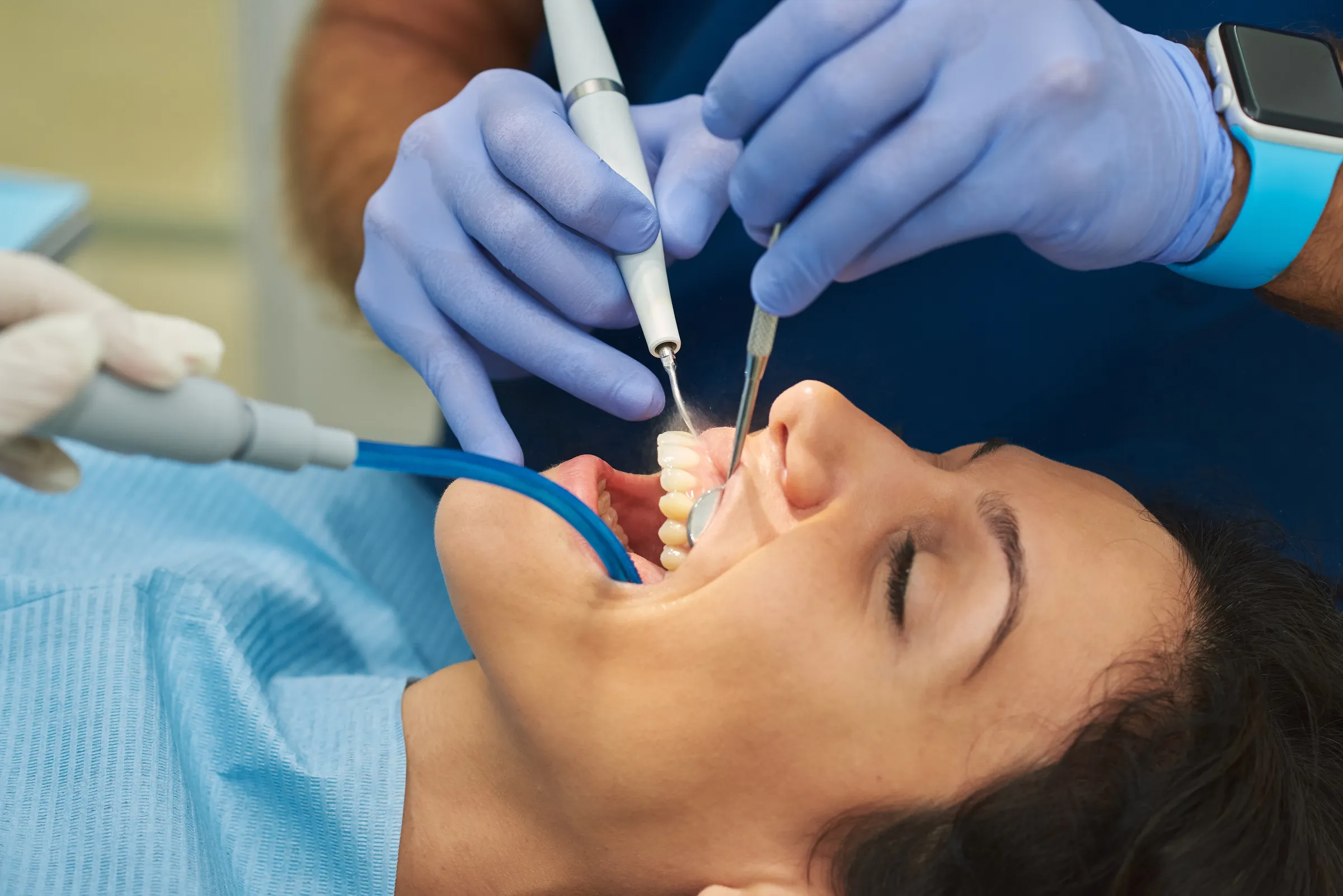
Scaling removes plaque, tartar, and bacteria from above and below the gum line, while root planing smooths the root surfaces to help gums reattach more effectively. This non-surgical treatment is commonly recommended for patients with moderate gum disease or deep periodontal pockets.
- Deep Bacteria Removal Clean below the gum line to target harmful bacterial buildup.
- Reduced Gum Inflammation Help decrease swelling, tenderness, and bleeding gums.
- Improved Gum Attachment Smooth root surfaces to support healthier healing around teeth.
- Protection Against Disease Progression Help reduce the risk of bone loss and tooth instability.
Signs You May Need Scaling & Root Planing
Patients with gum disease symptoms may benefit from deep cleaning treatment before more advanced periodontal complications develop. Early intervention can help improve treatment outcomes and preserve oral health.
- Bleeding gums during brushing or flossing
- Persistent bad breath
- Swollen or tender gums
- Gum recession or tooth sensitivity
- Deep periodontal pockets
- Plaque and tartar buildup below the gum line
What to Expect During Treatment
Scaling and root planing is typically performed using local anesthesia to help keep patients comfortable during treatment. Depending on the extent of gum disease, therapy may be completed over multiple visits. Following treatment, patients may experience temporary sensitivity while the gums begin healing.
Why Treating Gum Disease Early Matters
Without treatment, periodontal disease can continue progressing and may eventually lead to gum recession, bone loss, and tooth loss. Scaling and root planing is often an important first step in controlling gum disease and improving long-term oral health. Scheduling a periodontal evaluation can help determine whether deep cleaning treatment is appropriate for your needs.
IN SUMMARY→
Scaling and root planing is a deep cleaning that removes tartar and bacteria from below the gum line and smooths the root surfaces so the gums can reattach. North Texas Dental provides scaling and root planing in Sherman, Texas as the first stage of treating gum disease.
Call (903) 893-2800 to schedule a consultation, or book an appointment online.
Scaling & Root Planing FAQ
- What is scaling and root planing?
- Scaling and root planing is a deep cleaning that removes plaque and hardened calculus from the root surfaces below the gum line and smooths the root so tissue can reattach. North Texas Dental provides scaling and root planing in Sherman, TX, usually by quadrant under local anesthetic.
- Why is scaling and root planing necessary?
- Once bacteria colonize below the gum line, brushing and flossing cannot reach them. Calculus provides a rough surface that holds more bacteria, driving inflammation that destroys the ligament and bone holding teeth in place. Removing those deposits halts the process and allows the tissue to heal.
- Does scaling and root planing hurt?
- Local anesthetic numbs the area, so the procedure itself is comfortable. Tenderness and sensitivity to cold for several days afterwards are common as inflamed tissue heals and root surfaces are briefly exposed. Ultrasonic instruments with water irrigation are generally more comfortable than hand scalers alone.
- How long does scaling and root planing take?
- The mouth is usually treated in 2 or 4 sessions of roughly 60–90 minutes each, working quadrant by quadrant so anesthetic is confined to one area at a time. Extent of calculus, pocket depth and root anatomy all affect how long each session takes.
- What happens after scaling and root planing?
- Gums are tender for a few days and may bleed slightly when brushed. Over 2–6 weeks inflammation subsides, swelling reduces and pockets shrink as tissue tightens against the root. Teeth may feel more sensitive and can look slightly longer as puffiness resolves.
- Can scaling and root planing cure gum disease?
- It arrests the disease rather than curing it. Bone and attachment already lost do not regenerate on their own. Scaling and root planing removes the bacterial cause, so the destruction stops, and with thorough home care and regular maintenance the condition can stay stable long term.
- How do I know if I need deep cleaning treatment?
- Indicators include bleeding when brushing, persistent bad breath, gums that have receded, and probing depths of 4 mm or more recorded during periodontal charting. Radiographs showing bone loss and visible subgingival calculus confirm it. Deep cleaning is indicated by measured findings, not symptoms alone.
- Will I need periodontal maintenance afterward?
- Yes. Periodontal bacteria recolonize treated pockets within roughly 12 weeks, so a 3–4 month maintenance interval follows active treatment. Each visit re-instruments the pockets and re-charts depths, which is how stability is confirmed and any recurrence is caught while still small.