Functional Oral Tissue Treatment
Frenectomy in Sherman, TX
Improve oral movement, comfort, and function with precise soft tissue treatment.
A frenectomy is a procedure used to release restrictive oral tissue that may limit tongue or lip movement. Tongue-tie and lip-tie conditions can affect feeding, speech, oral development, and everyday comfort for both children and adults. North Texas Dental provides personalized frenectomy treatment focused on improving oral mobility and supporting healthier long-term function.

A PILLAR of EXCELLENCE
Frenectomy Treatment for Improved Oral Function
The frenum is a small band of tissue that connects the tongue, lips, or cheeks to surrounding oral structures. When this tissue is too tight or restrictive, it can interfere with normal movement and development. Frenectomy treatment helps patients in Sherman and surrounding North Texas communities improve oral mobility and reduce functional limitations associated with tongue-tie or lip-tie conditions.
What Is a Frenectomy?
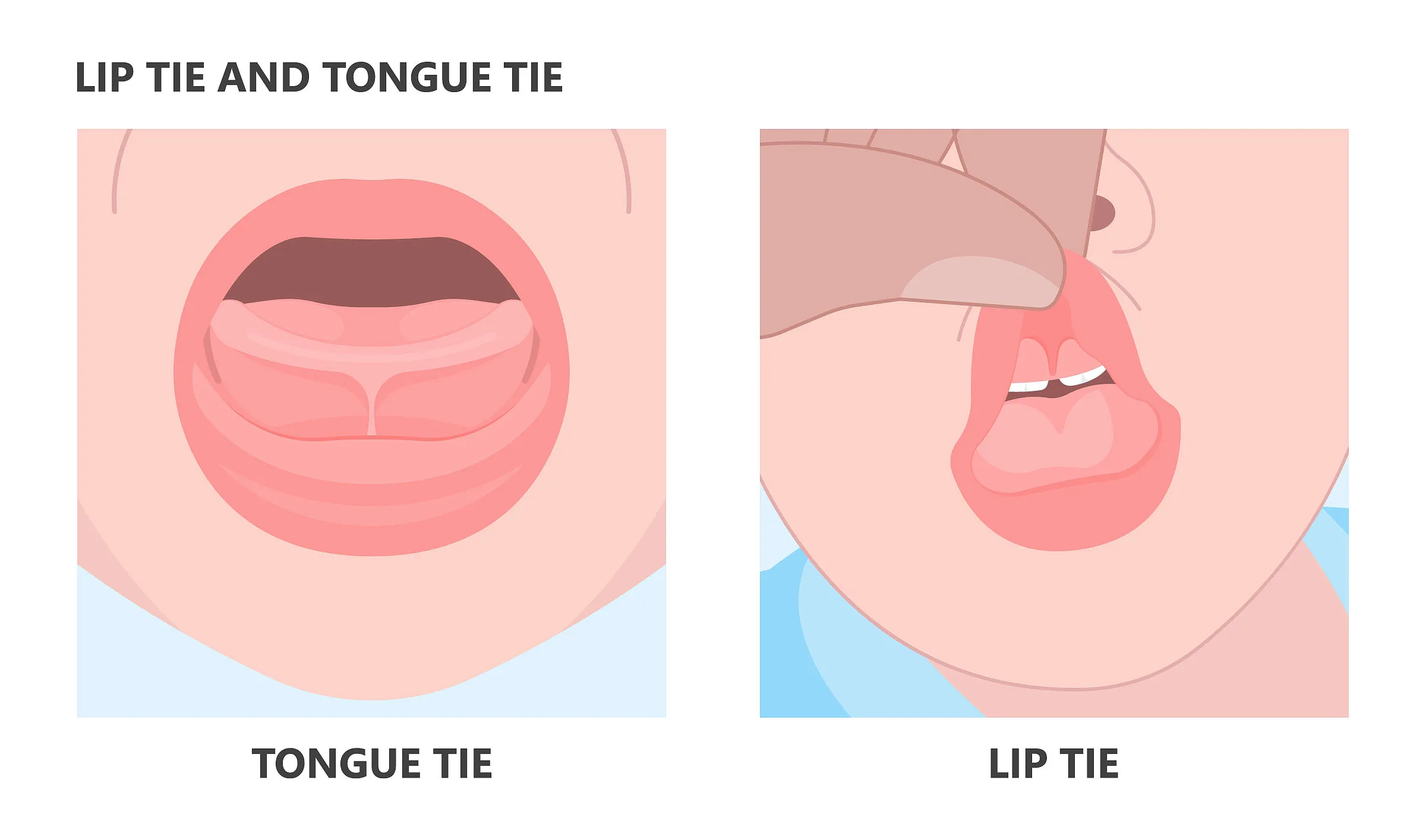
A frenectomy is a minor soft tissue procedure that releases or removes restrictive frenum tissue. Treatment may involve the tissue beneath the tongue or inside the upper lip depending on the patient’s needs and symptoms.
- Tongue-Tie Treatment Improve tongue mobility that may affect speech, feeding, or oral function.
- Lip-Tie Correction Address tight upper lip tissue that may interfere with feeding or oral hygiene.
- Support Oral Development Help improve comfort and function during growth and development.
- Improved Everyday Comfort Reduce restriction that may affect eating, speaking, or oral movement.
Signs a Frenectomy May Be Needed
Restrictive oral tissue can create different symptoms depending on age and severity. Some patients experience noticeable feeding or speech concerns, while others may have difficulty with oral mobility or dental development.
- Difficulty breastfeeding or bottle feeding
- Restricted tongue movement
- Speech or articulation concerns
- Difficulty cleaning around the gums or teeth
- Gap development between front teeth
- Discomfort caused by tight oral tissue attachments
What to Expect During Treatment
Frenectomy procedures are typically quick and minimally invasive. Local anesthesia or other comfort measures may be used depending on the patient’s age and treatment needs. Recovery is often relatively fast, although temporary tenderness or sensitivity may occur during healing.
Benefits of Frenectomy Treatment
Frenectomy treatment may improve feeding, speech, oral hygiene access, comfort, and overall oral mobility. Early treatment can also support healthier oral development and reduce complications related to restrictive tissue attachments.
If you suspect a tongue-tie or lip-tie condition may be affecting oral function, scheduling an evaluation can help determine whether frenectomy treatment is appropriate.
IN SUMMARY→
A frenectomy releases a restrictive band of tissue under the lip or tongue that limits movement. North Texas Dental performs frenectomy procedures in Sherman, Texas to improve range of motion, feeding, speech and oral hygiene.
Call (903) 893-2800 to schedule a consultation, or book an appointment online.
Frenectomy FAQ
- What is a frenectomy?
- A frenectomy releases a frenum, the small band of tissue connecting the lip or tongue to the gum or floor of the mouth, when it is short or tight enough to restrict movement. North Texas Dental performs frenectomy procedures in Sherman, TX, often using a soft tissue laser.
- What is tongue-tie?
- Tongue-tie, or ankyloglossia, is a lingual frenum that is short, thick or attached too near the tip, limiting how far the tongue can lift and extend. It can interfere with latching in infants, with clearing food from the teeth, and sometimes with specific speech sounds.
- What is lip-tie?
- Lip-tie is a labial frenum attached low on the gum between the upper front teeth, restricting lip movement. It can make latching difficult for an infant and, in children, hold a gap open between the upper central incisors or make brushing that area awkward.
- Who may need a frenectomy?
- Infants struggling to latch or feed, children whose tongue or lip restriction affects oral hygiene or speech, and patients where a frenum pulls on the gum margin and causes recession. It is also released before orthodontics or denture work where the attachment would compromise the result.
- Does a frenectomy hurt?
- The area is numbed with local anesthetic first. A soft tissue laser seals as it cuts, which usually means minimal bleeding and often no sutures. Infants typically settle quickly and can feed straight afterwards. Older patients report mild soreness for a few days.
- How long does frenectomy recovery take?
- Initial healing takes about 1–2 weeks. Laser sites generally form a white or yellow patch as they heal, which is normal and not infection. Stretching exercises are often prescribed for the first few weeks to stop the tissue reattaching and to preserve the new range of motion.
- Can frenectomy treatment improve speech?
- It can, where a genuine restriction is limiting tongue movement for sounds that need tip elevation such as t, d, l, n and r. It is not a treatment for speech delay in general, and speech therapy is usually needed alongside surgery to establish new patterns.
- How do I know if my child needs a frenectomy?
- Signs include difficulty latching or prolonged feeding in infants, a heart-shaped tongue tip on protrusion, inability to lift the tongue to the palate, a persistent gap between the upper front incisors, or gum recession where the frenum pulls. An examination confirms whether release is appropriate.